Ask people what they would change to feel better, and most will mention exercise. Yet two habits that happen every single day, eating and sleeping, often have just as much influence on energy, mood and long-term health. They also feed into each other: poor sleep tends to push food choices in the wrong direction, and certain eating patterns make good sleep harder to come by.
The good news is that neither habit requires perfection. Steady, realistic improvements are what make the biggest difference.
Why a balanced diet matters
A balanced diet is less about strict rules and more about patterns. Plates built around vegetables, fruits, whole grains, legumes, nuts and lean proteins, with limited added sugar, sodium and heavily processed foods, are linked across many large studies to better health outcomes.
Heart health
Diets rich in fiber and unsaturated fats and low in sodium support healthy blood pressure and cholesterol levels.
Steadier energy
Meals that combine fiber, protein and complex carbs digest more slowly, helping avoid the spike-and-crash cycle.
Gut and immunity
A variety of plant foods feeds beneficial gut bacteria, which play a role in digestion and immune function.
Mood and focus
Regular, nutrient-dense meals are associated with better concentration and more stable mood through the day.
Why sleep is not optional
Sleep is when the body does much of its maintenance work. U.S. public health agencies generally recommend that adults get at least seven hours of sleep per night, yet a large share of Americans regularly fall short.
What good sleep supports
- Memory and learning: the brain consolidates new information during sleep.
- Emotional balance: short sleep is linked to more irritability and stress.
- Metabolism: chronic sleep loss is associated with a higher risk of weight gain and type 2 diabetes.
- Heart and immune health: consistent, adequate sleep helps regulate blood pressure and supports the body's defenses.
Diet and sleep work like a loop: improve one, and the other usually gets a little easier.
How food and sleep influence each other
When you are short on sleep, hormones that regulate hunger and fullness shift, which can make high-calorie, sugary foods more tempting the next day. On the other side, heavy late-night meals, alcohol and caffeine later in the day can make it harder to fall asleep or stay asleep.
That is why working on both at once often feels easier than tackling either one alone.
A realistic daily routine
- Wake up at the same time every day, including weekends. A consistent schedule anchors your internal clock.
- Get daylight in the morning. A short walk outside helps set your body's rhythm for the day.
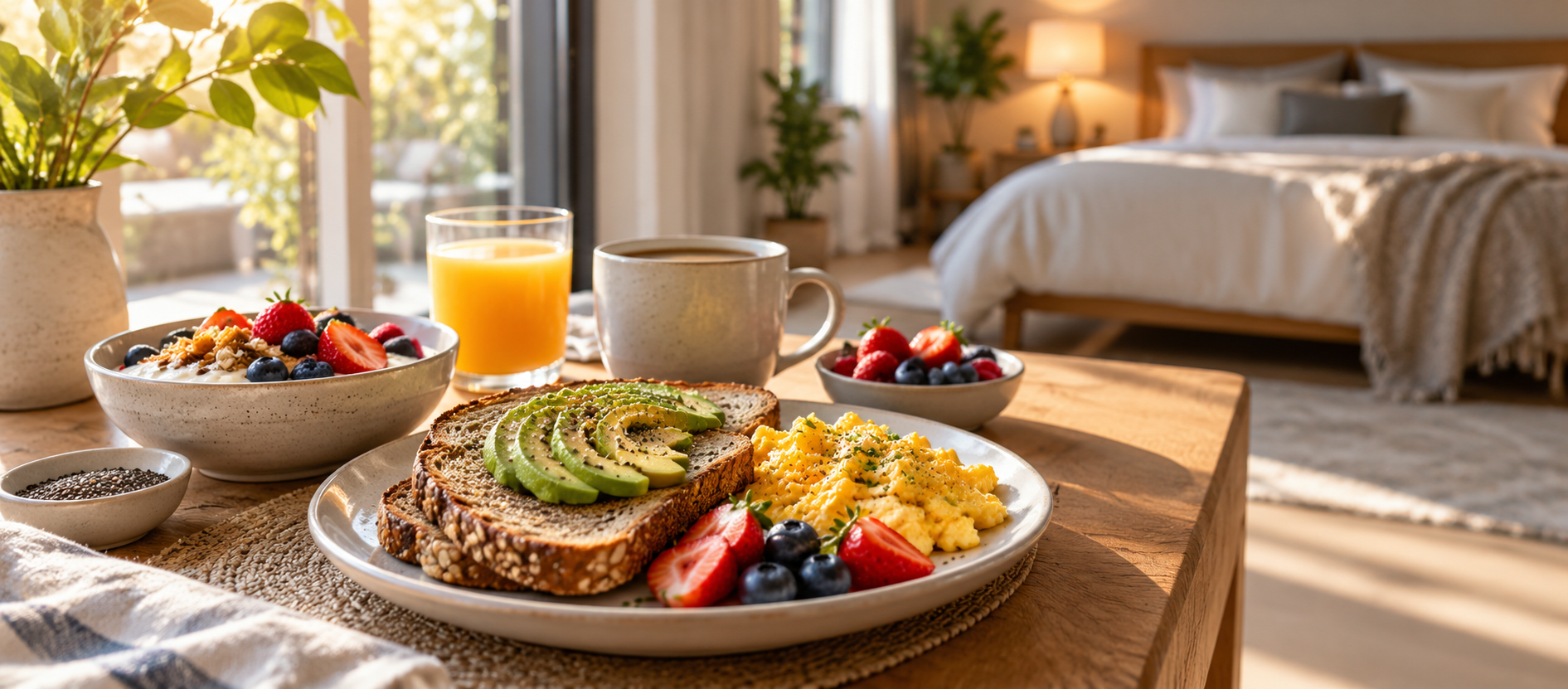
- Eat a breakfast with protein and fiber, such as oatmeal with nuts and fruit, or eggs with whole-grain toast.
- Cut off caffeine by early afternoon so it has time to wear off before bed.
- Finish dinner two to three hours before bedtime, and keep evening portions moderate.
- Create a wind-down hour: dim the lights, put screens away, and choose a calming activity like reading or light stretching.
- Keep your bedroom cool, dark and quiet, and save your bed for sleep.
The bottom line
A balanced diet and a steady sleep routine are two of the most accessible tools for feeling better day to day and protecting your health over the long run. Neither requires expensive products or extreme plans, just consistency and a little patience with yourself along the way.
This article is for general informational purposes only and is not a substitute for professional medical advice. If you have ongoing sleep problems or specific dietary needs, talk with a doctor or registered dietitian.